Search
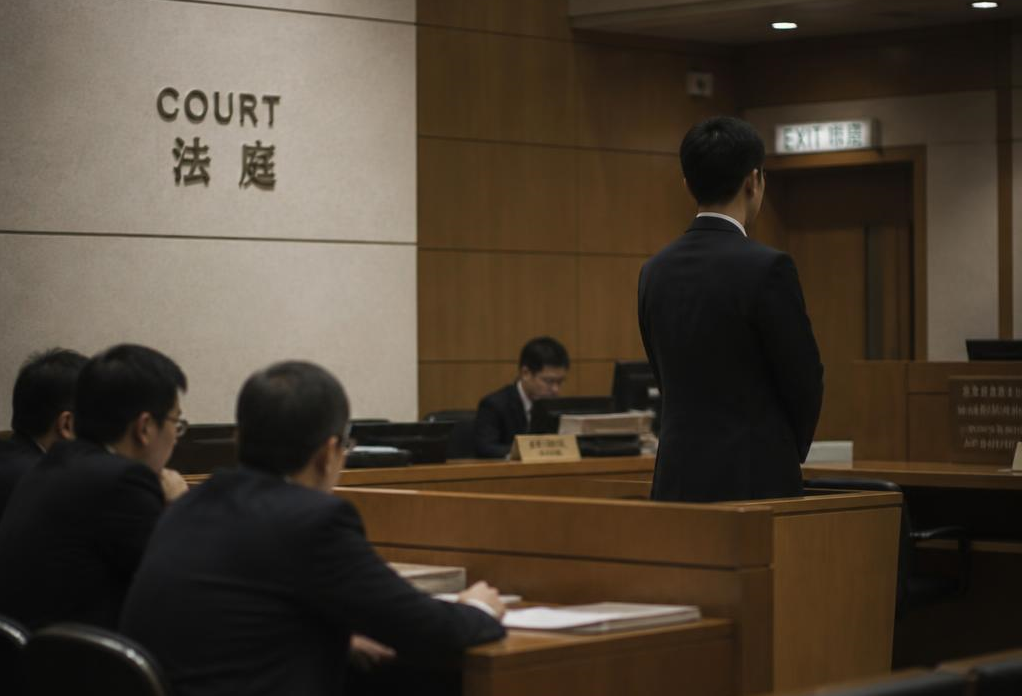
A team leader of a bar-bending subcontractor of a transitional housing project in Yuen Long was charged by the ICAC today (June 8) for allegedly accepting bribes totalling over $50,000 from a bar-bender in a span of five months for continuing the latter’s employment.
Chan Kong-on, 33, then bar-bending team leader of Long Engineering Limited (Long Engineering), faces seven counts of agent accepting an advantage, contrary to section 9(1)(a) of the Prevention of Bribery Ordinance. He was released on bail, pending his appearance at the Fanling Magistrates’ Courts for plea on Wednesday (June 10).
At the material time, Long Engineering was a bar-bending subcontractor of a transitional housing project at Pat Heung in Yuen Long. The defendant was a team leader at the construction site responsible for recruiting bar-benders, supervising them and distributing pay-cheques to them.
The charges allege that in the five months between October 2023 and February 2024, the defendant accepted seven bribes totalling over $50,000 from a bar-bender under his supervision for continuing the latter’s employment with Long Engineering.
Long Engineering does not allow its employees to accept any advantages in relation to its business or affairs. The ICAC investigation stemmed from a corruption complaint. Inquiries revealed that the defendant allegedly solicited a bribe of $500 per day from the bar-bender soon after the latter was employed at a daily wage of $2,450. The bar-bender acceded to the defendant’s request as he believed that he would lose his job if he did not pay bribes.
Long Engineering rendered full assistance to the ICAC during its investigation into the case.
An ICAC spokesperson notes that the Commission has zero tolerance for corruption. If construction workers are asked to pay bribes in exchange for their employment, they should reject and report to the ICAC immediately. ICAC’s report corruption hotline: 25 266 366.

A renovation works contractor, charged by the ICAC, was today (June 4) convicted at the District Court of offering bribes totalling $1.3 million to a then employee of a property investment company for showing favour in relation to property renovation works.
Lee Shing-kan, 77, sole proprietor of Art Land Decoration Co. (Art Land), was found guilty after trial of four counts of offering an advantage to an agent, contrary to section 9(2)(b) of the Prevention of Bribery Ordinance (POBO).
Co-defendant Mak Wing-chun, 51, then senior property officer of the leasing department of New Estate Company Limited (New Estate), earlier pleaded guilty to four counts of agent accepting an advantage, contrary to section 9(1)(b) of the POBO.
Judge Mr Clement Lee Hing-nin adjourned the case to June 12 for mitigation, and remanded the duo in the custody of the Correctional Services Department.
The court heard that New Estate, a property investment company, owned and managed a portfolio of properties in Hong Kong for lease. At the material time, Mak was responsible for arranging and overseeing contractors to conduct renovation works at New Estate’s properties and certifying the completion of such works before releasing payments to contractors.
New Estate had no internal procurement procedures in place between November 2020 and June 2022, and inviting quotations or conducting tenders were not required when selecting contractors. During this period, New Estate awarded its renovation works to only two contractors. Art Land, one of these contractors, was awarded most of the renovation projects and received works payments totalling about $26 million over the course of one and a half years.
In mid-June 2022, New Estate’s management began requiring its leasing department to invite companies other than the two existing contractors to bid for renovation works when awarding contracts. While Art Land had been awarded numerous renovation projects, Mak informed its proprietor, Lee, of the new procurement requirements, alerting him that New Estate might have discovered that the cost of its works was far above the prices submitted by new bidders.
The ICAC investigation stemmed from a corruption complaint. It was revealed that on various occasions, Lee had offered bribes totalling $1.3 million to Mak for showing favour to him regarding arrangements and supervision of renovation works. Mak used some of the bribes to settle payments for his newly-purchased residential flat.
New Estate rendered full assistance to the ICAC during its investigation into the case.
The prosecution was today represented by prosecuting counsel Bernard Chung, assisted by ICAC officer Timothy Wu.
A then deputy general manager of a listed company and his parents were earlier charged by the ICAC with bribery for showing favour to an Australian businessman regarding the listed company’s investments in overseas property development projects, involving bribes amounting to about AUD$25 million. The Eastern Magistrates’ Courts today (June 3) approved the prosecution’s application to amend the indictment, laying an additional bribery charge against the then deputy general manager and his mother while the case is pending committal to the High Court.
Ng Wai, 46, then deputy general manager of Beijing Capital Land Limited (BCL, delisted); and his mother Han Shang-min, 75, were earlier charged with one count of conspiracy for an agent to accept advantage, contrary to section 9(1)(b) of the Prevention of Bribery Ordinance and section 159A of the Crimes Ordinance. Ng Wai’s father, Ng Cho-wong, 77, was charged with two counts of conspiracy for an agent to accept advantage last Thursday (May 28).
The three defendants appeared today at the Eastern Magistrates’ Courts for mention in two cases. Principal Magistrate Mr David Cheung Chi-wai approved the prosecution’s application to amend the indictment against Ng Wai and Han Shang-min, and to lay an additional bribery charge against them. The trio currently face two counts of conspiracy for an agent to accept advantage.
The principal magistrate also approved the prosecution’s application to consolidate the two cases and commit the case to the High Court for plea. The case was adjourned to July 13 for return day at the Eastern Magistrates’ Courts, and the defendants were granted bail.
BCL was listed on the Hong Kong Exchanges and Clearing Limited from June 2003 to September 2021. At the material time, Ng Wai served as the deputy general manager of BCL, and also as the general manager of BCL’s branch in Australia.
The two charges allege that between June 2014 and November 2021, the three defendants conspired together to accept bribes totalling AUD$22 million and an investment opportunity contract, making a profit of about AUD$3 million, from an Australian businessman for Ng Wai to show favour to the Australian businessman and his associated companies in relation to BCL’s business.
The ICAC investigation arose from a corruption complaint. Enquiries revealed that following Ng Wai’s recommendations, BCL invested in various property development projects in Australia worth approximately AUD$820 million in total since 2014. Most of these projects were developed by companies associated with the Australian businessman.
The prosecution was today represented by ICAC officer Jeff Chow.
The ICAC earlier charged a then deputy general manager of a listed company and his mother with bribery for showing favour to an Australian businessman regarding the listed company’s investments in overseas property development projects. Following further investigation by the Commission and legal advice from the Department of Justice, the father of the then deputy general manager was charged for his role in the corruption scheme involving bribes amounting to about AUD$25 million.
Ng Cho-wong, 77, was charged last Thursday (May 28) with two counts of conspiracy for an agent to accept advantage, contrary to section 9(1)(b) of the Prevention of Bribery Ordinance and section 159A of the Crimes Ordinance. He was released on ICAC bail, pending his appearance at the Eastern Magistrates’ Courts for mention on Wednesday (June 3).
Ng Wai, 46, Ng Cho-wong’s son and then deputy general manager of Beijing Capital Land Limited (BCL, delisted); and Han Shang-min, 75, Ng Cho-wong’s wife, were earlier jointly charged by the ICAC with one count of conspiracy for an agent to accept advantage. Their case was scheduled for mention on Wednesday at the Eastern Magistrates’ Courts.
BCL was listed on the Hong Kong Exchanges and Clearing Limited from June 2003 to September 2021. At the material time, Ng Cho-wong’s son, Ng Wai, served as the deputy general manager of BCL, and also as the general manager of BCL’s branch in Australia.
The two charges against Ng Cho-wong allege that he conspired with Ng Wai and Han Shang-min between June 2014 and November 2021 to accept bribes totalling AUD$22 million and an investment opportunity contract, making a profit of about AUD$3 million, from an Australian businessman for Ng Wai to show favour to the Australian businessman and his associated companies in relation to BCL’s business.
The ICAC investigation arose from a corruption complaint. Enquiries revealed that following Ng Wai’s recommendations, BCL invested in various property development projects in Australia worth approximately AUD$820 million in total since 2014. Most of these projects were developed by companies associated with the Australian businessman.
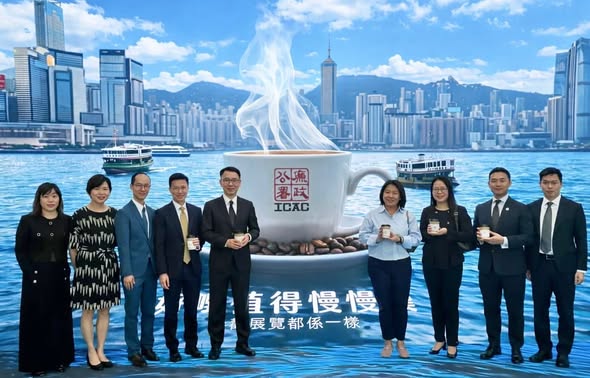

The estate agency industry handles property transactions that often involve substantial financial commitments and the lifelong savings of clients. Estate agents and salespersons must therefore act honestly and uphold proper and ethical standards. Corruption or unethical conduct can harm stakeholders and undermine confidence in the property market. Maintaining high standards of integrity is not only a legal obligation but also the foundation of sustainable business practice in the industry.
The Private Sector Integrity Centre (PSIC) offers free anti-corruption and integrity training to help estate agents remain vigilant against corruption risks and uphold high integrity standards. We also provide free corruption prevention advisory services and practical resources to help estate agencies in strengthening safeguards and fostering an ethical culture.

The demand for medical and healthcare products and services has significantly increased in recent years, and the quality of these products and services remains a key public concern. Practitioners of the medical and healthcare industries should maintain high integrity standards for ensuring service and product quality, as well as sustaining their goodwill, public trust and competitive edge in the market.
The Private Sector Integrity Centre (PSIC) offers anti-corruption and integrity training to help practitioners remain vigilant to corruption risks and uphold high integrity standards. We also provide corruption prevention advisory services and practical resources to help professions and companies strengthen safeguards and foster an ethical culture.

Hong Kong is internationally acclaimed as a "shopper's paradise", offering a wide array of quality-assured products and exceptional service. The retail sector not only meets the consumption needs of local residents but also consistently attracts visitors from around the world, playing a pivotal role in driving the growth of Hong Kong’s economy and tourism industry. However, certain key processes within retail operations are susceptible to corruption and malpractice. If not effectively prevented and properly managed, such risks may result not only in financial losses but also in a decline in product and service quality, ultimately undermining business reputation and the overall image of the industry.
The Private Sector Integrity Centre (PSIC) offers free anti-corruption and integrity training to help practitioners in the retail sector remain vigilant against corruption risks and uphold high integrity standards. We also provide free corruption prevention advisory services and practical resources to help retailers in strengthening safeguards and fostering an ethical culture.

Renowned as a culinary capital, Hong Kong’s vibrant dining scene attracts not only local patrons but also visitors from around the world. This success is built on the catering industry’s sustained efforts in brand building and its commitment to earning customers’ trust in food quality and service excellence. However, corruption can erode public confidence, compromise food and service standards, and ultimately threaten the industry’s hard-earned reputation.
The Private Sector Integrity Centre (PSIC) offers free anti-corruption and integrity training to help catering practitioners remain vigilant against corruption risks and uphold high integrity standards. We also provide free corruption prevention advisory services and practical resources to help companies in strengthening safeguards and fostering an ethical culture.

The testing and certification industry plays a vital role in safeguarding public safety and ensuring compliance with international and regional standards. Its independent and professional services underpin consumer confidence and facilitate trade. However, corruption and malpractices can quickly erode trust and damage the industry’s reputation. Upholding integrity is therefore essential to maintaining the industry's credibility and supporting long‑term growth.
The Private Sector Integrity Centre (PSIC) offers free anti-corruption and integrity training to help practitioners in the testing and certification industry stay vigilant against corruption risks and uphold high integrity standards. We also provide free corruption prevention advisory services and practical resources to assist organisations in strengthening internal safeguards and fostering a culture of integrity.

Corruption in the construction industry often leads to substandard work, posing a serious threat to public safety, and undermining public confidence in the quality of works projects. It also incurs additional costs and delays for remedial works, ultimately eating into companies’ profit.
The Private Sector Integrity Centre (PSIC) offers free anti-corruption and integrity training to help construction practitioners stay vigilant against corruption risks and uphold high integrity standards. We also provide free corruption prevention advisory services and practical resources to help construction companies in strengthening internal safeguards and fostering a culture of integrity.

Legal and accounting professionals serve as key guardians of corporate governance and organisational integrity. Through their independent advice and oversight, they uphold compliance, accountability and ethical conduct at the heart of business operations. Beyond serving their clients or employers, they protect the integrity of the business environment and safeguard the public interest. In doing so, they reinforce the sustainable growth of organisations and strengthen public trust in society as a whole. Given this influential role, legal and accounting professionals must uphold the highest standard of professional ethics and remain vigilant against evolving ethical risks and challenges.
The Private Sector Integrity Centre (PSIC) offers free anti-corruption and ethics trainings to help legal and accounting practitioners stay alert to corruption risks and uphold high integrity standards. We also provide free services and useful resources to help legal and accounting firms guard against corruption and foster an ethical culture.

The demand for medical and healthcare products and services has significantly increased in recent years, and the quality of these products and services remains a key public concern. Practitioners of the medical and healthcare industries should maintain high integrity standards for ensuring service and product quality, as well as sustaining their goodwill, public trust and competitive edge in the market.
The Private Sector Integrity Centre (PSIC) offers anti-corruption and integrity training to help practitioners remain vigilant to corruption risks and uphold high integrity standards. We also provide corruption prevention advisory services and practical resources to help professions and companies strengthen safeguards and foster an ethical culture.

Insurance is about peace of mind, building on trust and professionalism. Insurance practitioners not only need to acquire updated knowledge of insurance products and exercise sound judgment when servicing their clients, they must also maintain good character and personal integrity to gain trust and goodwill from the clients.
The Private Sector Integrity Centre (PSIC) offers free anti-corruption and integrity training to help insurance practitioners stay vigilant against corruption risks and uphold the highest standards of integrity. We also provide free corruption prevention advisory services and practical resources to support industry organisations in strengthening safeguards and fostering an ethical culture.

Corruption in any bank or financial institution may not only jeopardise the interests of various stakeholders, but also lead to financial and reputational losses for the institution and the market as a whole.
The Private Sector Integrity Centre (PSIC) offers free anti-corruption and integrity training to help banking and financial practitioners remain vigilant against corruption risks and uphold high integrity standards. We also provide free corruption prevention advisory services and practical resources to help banks and financial institutions in strengthening safeguards and fostering an ethical culture.

As a leading international financial centre and home to one of the world’s largest stock markets, Hong Kong benefits from its listed companies as one of the engines to drive economic growth. Yet corruption poses risks far beyond immediate financial loss—it erodes trust and reputation, weakens investor confidence, disrupts fair competition, and undermines market efficiency. To ensure long-term resilience, boards and senior management must take the lead in upholding robust corporate governance, demonstrating accountability to shareholders while strengthening the company’s competitive edge.
The Private Sector Integrity Centre (PSIC) offers targeted anti-corruption and integrity training for company leaders and governance professionals. We also provide corruption prevention advisory services and practical resources to help enterprises strengthen safeguards and foster an ethical culture.