fade-up
Digitalisation is a powerful tool for corruption prevention
banner-digi.jpg
banner-digi.jpg
22
digi-intro-section
icon

Corruption Prevention through Digitalisation

Digitalisation is widely recognised as a powerful tool in corruption prevention.  Automation reduces reliance on manual processes, data analytics enhances transparency and risk detection, and embedded system controls strengthen governance and oversight. Our work in this area dates back to the 1980s.

Digitalisation Timeline

1980s
Pre-Internet Era: Laying the Foundations of Computerisation

CPD provides advice for major computerisation projects across government departments, ensuring that corruption prevention controls are in place during the transition from manual systems to digital processes.

1990s to 2000s
Internet Era: Embedding Digital Controls Through Reviews

Through regular procedural reviews, CPD advises government departments to adopt digitalisation to strengthen controls in their processes.

2022
Digitalisation as a Strategic Priority

Digitalisation for Corruption Prevention was formalised as a key strategy, recognising technology as a critical enabler of systemic integrity.

Digitalisation as a Strategic Priority
2023
Establishing the Digital Corruption Prevention Framework

Developed the Digital Corruption Prevention Framework, providing guiding principles for government departments to leverage technology to strengthen corruption prevention.
2024–2025
From Principles to AI in Practice

Advanced implementation through digital tools and AI proof‑of‑concept projects.

2025
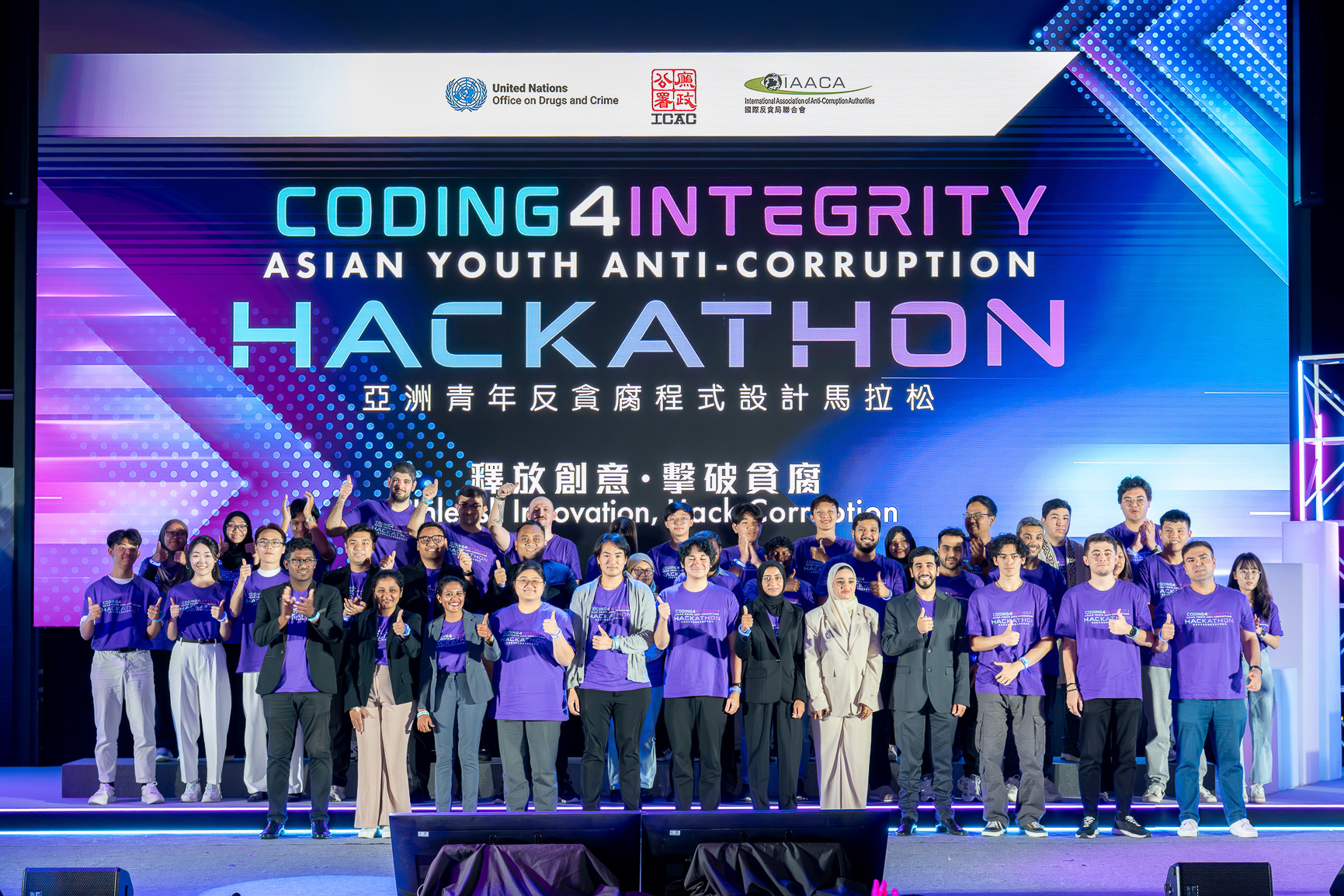
Coding4Integrity Hackathon

Launched the Coding4Integrity Asian Youth Anti‑Corruption Hackathon, promoting youth empowerment, cross‑border collaboration, and innovative technology solutions for integrity challenges.
2026
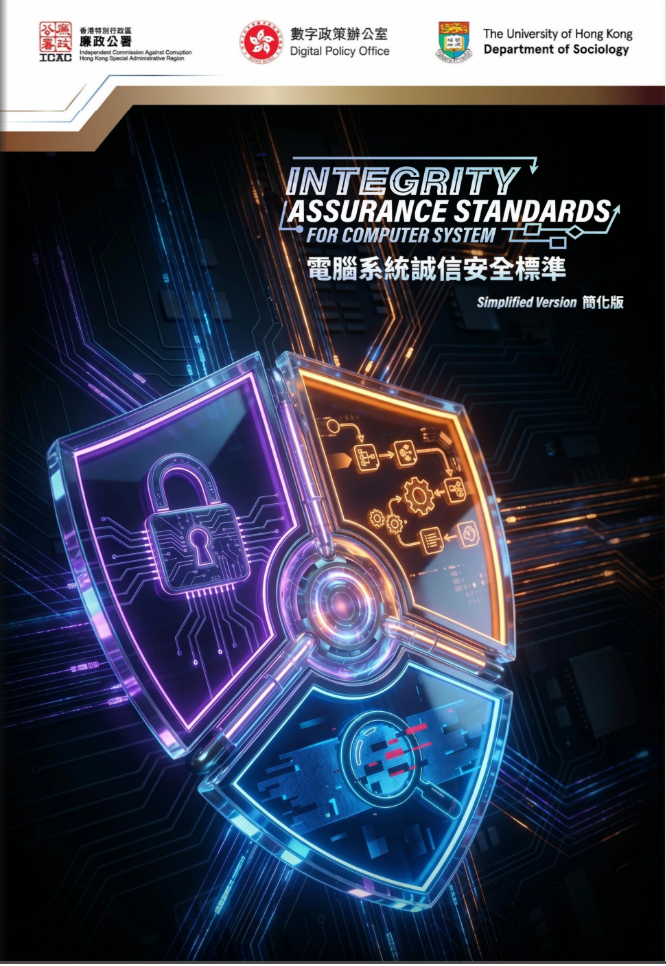
Integrity Assurance Standards

Developed the Integrity Assurance Standards for Computer System to provide practical guidance to organisations on integrating integrity controls into IT systems by design.

integrity_standards_cover
22
digi-framework-section
logo

The Integrity Assurance Standards for Computer System sets out 12 Functional Corruption Prevention Requirements  for computer systems to prevent and mitigate corruption risks.  These controls are grouped under three key control areas.

System Security

Safeguarding the system's core functions

Ensure the system operates securely to provide stable public services and enable secure, appropriate information sharing across organisations to support effective decision‑making.

Workflow Controls

Integrating integrity into digital workflows

Integrate control measures into system workflows and automate tasks to enhance compliance and minimise human intervention.

Anomaly Detection

Enabling early identification of irregularities

Maintain and analyse audit logs to ensure traceability, and monitor system activities to enable early detection of unusual or suspicious behaviour.


Click here to learn more about the Standards, and here to download the guide for detailed information.

fade-up
digi-news-section
container
[Block] News List

What's New

View All News
giacc_standards
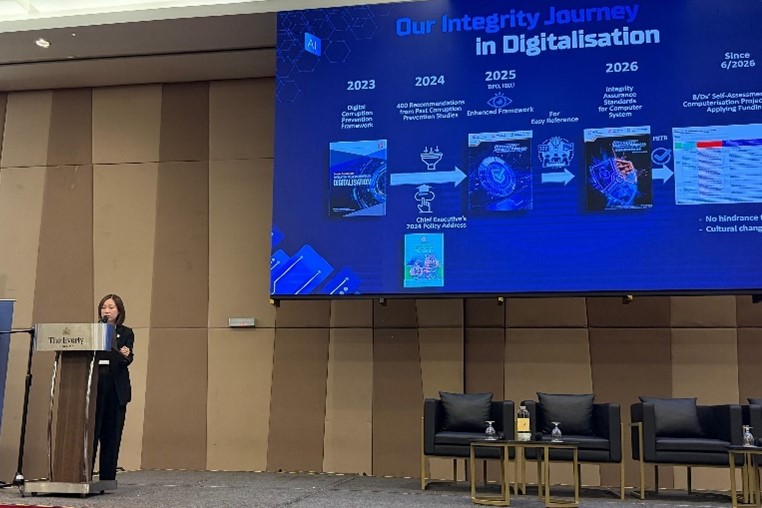
ICAC shares experience in harnessing artificial intelligence to combat corruption at the AI-Driven Corporate Integrity Seminar in Malaysia organised by the Global Integrated Anti-Corruption Consultancy
morocco_standards
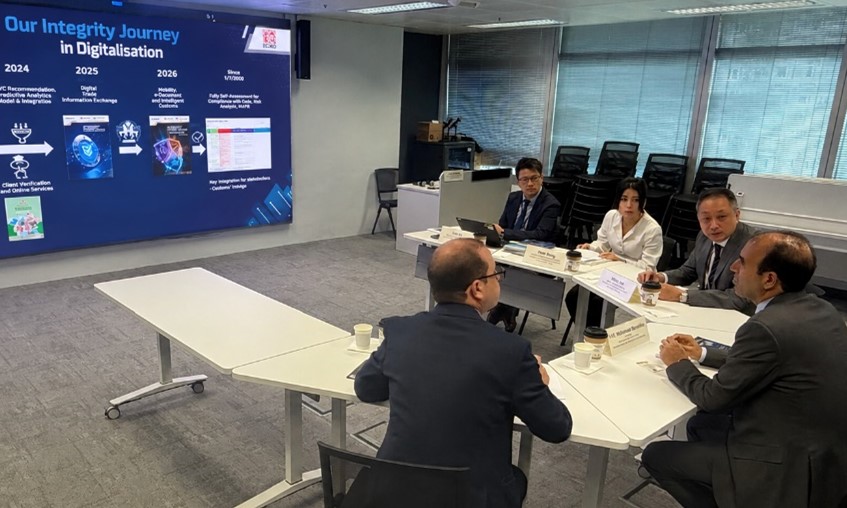
ICAC shares the latest strategies on corruption prevention through digitalisation to the delegation of the National Authority for Probity, Prevention and the Fight Against Corruption of Morocco
launch_standards
ICAC, in partnership with the Innovation, Technology and Industry Bureau and the Digital Policy Office, launches the “Integrity Assurance Standards for Computer System” to strengthen integrity governance across Government bureaux and departments
sharing_session_launch
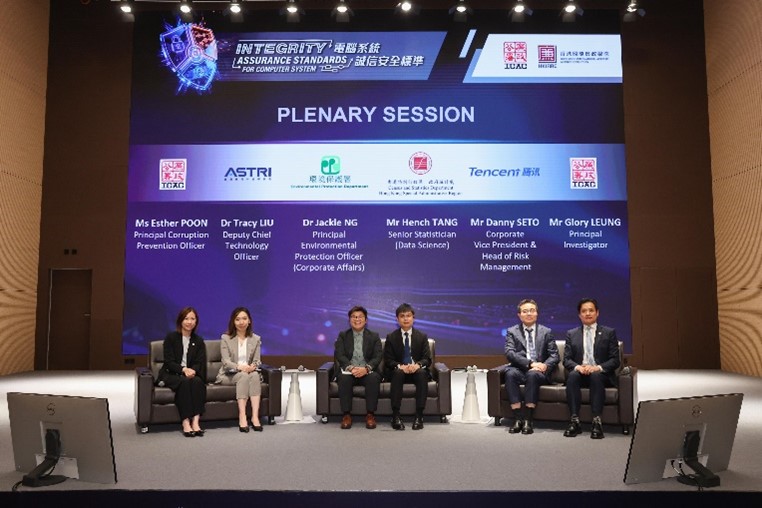
ICAC organises a plenary session, where guest speakers from the Environmental Protection Department, the Census and Statistics Department, the Hong Kong Applied Science and Technology Research Institute and Tencent Group share their insights
Survey Questions
1. In which country or region are you currently located?
Hong Kong
Chinese Mainland
Other (please specify)
2. What type of organisation do you represent?
Listed company
Large private company
SME / start-up
NGO / non-profit
Public organisation
Chamber / trade association
Other (please specify)
3. What is the size of your organisation?
1 - 49 employees
50-99 employees
100 - 199 employees
200 or more employees
4. What is your staff level or position?
Executive / senior management
Middle management
Professional
Supervisory level
Frontline/Technical Staff
Other (please specify)

Thank you for your feedback.